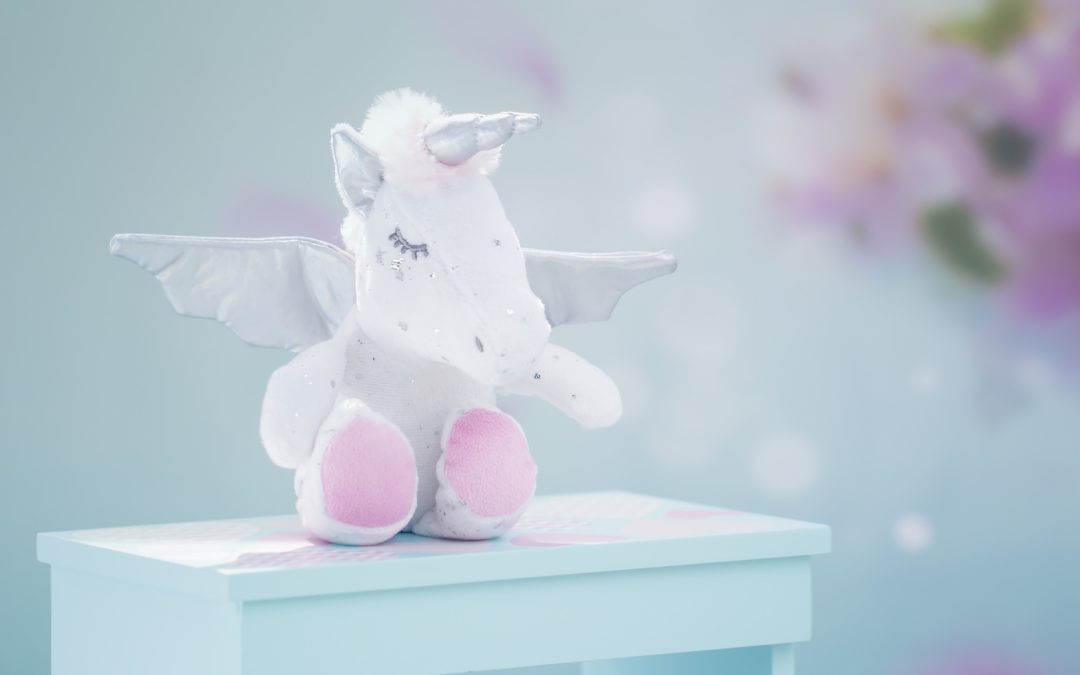
Do toddler eating habits make you think that they exist on air and unicorn tears alone?
If you feel this way, you are not the only parent to ever express this sentiment. Toddler eating is usually the main topic of the 12- 24 month well child visits. While air and unicorn tears won’t really sustain a growing child, let’s explore why toddler eating habits make you feel this way.
Why do my toddler’s eating habits change?
As they approach their first birthday, kids are transitioning from obtaining all or most of their calories from a liquid food source (i.e. formula or breast milk) to obtaining the majority of their calories from solid foods. After the first year of life, growth velocity slows down causing toddlers to require fewer calories to fuel their activities. An average one year old needs about 1,000 calories per day. If you think about that in perspective, that is about half of what an average size adult needs.
As you are transitioning your child to table food, you should start to incorporate your child into your family meal time eating routines. A one year old child needs to eat about 5-6 times per day, broken up into 3 planned meals and 2-3 planned snacks per day. Little ones would prefer to graze, but try to resist the urge to feed your toddler as he or she continues to be on the go.
Learning how to sit at family meal time is an important skill to develop. While it’s not reasonable to expect your little one to sit at the table for an hour, you should expect them to sit and eat while the family is eating and then be allowed to leave the table when they are finished.

What if my child is picky?
Little ones tend to be picky about what they eat. This is a very normal behavior for all small children when they are learning to eat new foods. Your job is to offer an array of nutritious food choices and their job is to choose what they are going to eat. Offer your child fruits, vegetables, lean protein and whole grains for meals and snacks. Avoid foods with added sugar as much as possible.
As a general rule of thumb, your child needs about a one tablespoon serving (per year in age that they are) of the foods that you are eating. For example, if you are eating a chicken dinner with potatoes and carrots, your one year old needs about a tablespoon of chopped up/ shredded chicken, a tablespoon of cut up soft carrots and a tablespoon of cut up cooked potatoes.
If your child doesn’t eat the meal that you have prepared, you can wrap it up and save it for their next meal. Resist the urge to make your child something else that he or she will like better just so they will eat something. If your little one is not eating, it is most likely because they are not hungry. It is important to teach your child how to listen to his or her hunger and fullness cues. If they demand food prior to the next planned meal or snack, try your best to have them wait until the next time to eat. With time and routine, this will get easier.
Toddlers should drink only milk and water. Children under two years of age should have 2-3 cups of whole milk per day (or other dairy alternative) that can be divided between meals and snacks. There is no reason to offer your child juice, soda or toddler formulas.
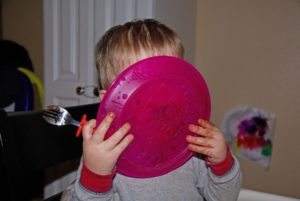
What if my child only wants to eat from a pouch?
Ready made pouches of pureed foods have come on the scene in the last several years. They offer convenience and increased access to a variety of ingredients or foods. They are nice for when you are on the go and not able to pack a healthy meal. However, pouches should not be substituted for sitting down to a meal of table foods.
Kids need to learn how to explore different textures, shapes and colors. They also need to learn the fine and gross motor skills of bringing food to the mouth and chewing. Pureed ingredients all mixed in a squeezable pouch do not offer this to your child.
One of the other dangers of pouches is the continuous flow of calories throughout the day. It becomes easy to hand your child a pouch to keep him or her quiet, entertained or otherwise occupied. Pureed foods in pouches should be used on a limited basis and only as a part of planned meals and snacks.
Hopefully, this will help you avoid some of the food battles that can come with toddler eating habits. As long as your child is growing and meeting their developmental milestones, you can stress less about how much they are eating and spend more time enjoying their developing personalities.
If you ever have worries about your child’s eating habits, always talk to your pediatrician. At 127 Pediatrics, we are here to partner with you as your child grows.
** This post is not meant to be medical advice and is for informational purposes only. Please see your child’s doctor if you have questions about their health.

Dr. Wadley is a Fellow of the American Academy of Pediatrics and an International Board Certified Lactation Consultant. She has a special interest in nutrition and wellness.